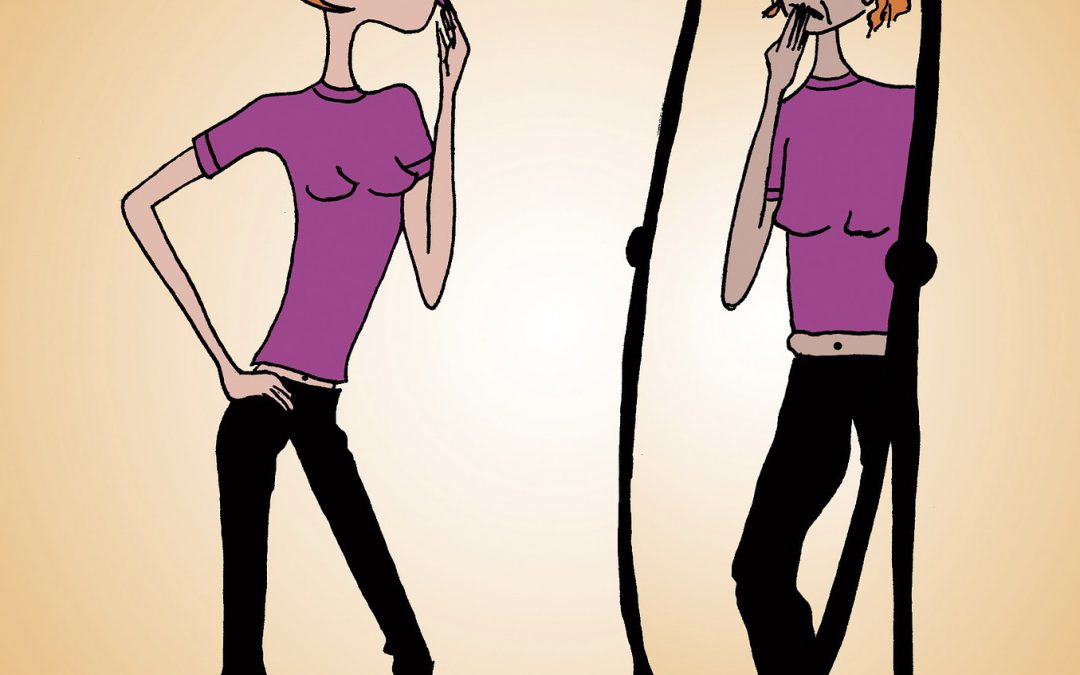
It’s fascinating how often we think about our disorder as something that we caused. The idea of “normal” is probably one of the most toxic stigmas out there.When we stop and think about it, we know it doesn’t exist. In reality, we all deal with something, whether it’s a mental illness or a serious health issue.

Prescriptions. Scrips. Meds. Pills. Whatever you call them, medicine plays a real role in helping us get to a place of emotional stability. While they aren’t a magic bullet erasing all the symptoms of our mental illness, we should never underestimate the benefits we can derive from taking a medication.

The holidays can be a lot of fun and they can be very stressful. I’ve compiled a list of tips for handling social anxiety at holiday parties.

It can be easy to look at depression, anxiety, and mood disorders as decisions. What happens when a medical issue determines our moods?

We hear a lot about the fight or flight response, but did you know that there’s another part to it? It’s now recognized as the fight-flight-freeze response.

When our fears and phobias limit our participation, it may be time to overcome them. Exposure therapy is a great tool for conquering our fears.
Phobias and fears can be crippling and keep us from living the lives we want and deserve. Overcoming phobias is hard, but possible.

When we think of improving our mental health symptoms, our natural first reaction is medication. Gut health plays a key role in our mental health, too!

We often overlook how our nutrition impacts our mental health. Ruth Henderson shares how she used an elimination diet and made the decision to cut sugar.
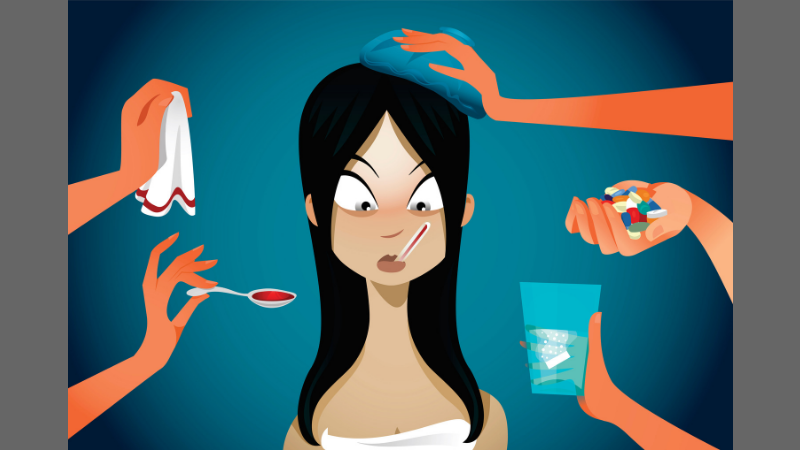
We all have down cycles, so why don’t we plan for them? Future care is about simple steps we can take when we are well to make our next down cycle easier.

Too often, we look at our history and think it tells us that there is no path forward for us. That’s not true. Your past does not define your future.

When the inner critic who lives in our head speaks up, it can feel impossible to silence it. Here are some solid tips for shutting it down.

I taught my daughter how to ride her bike. She taught me some key wisdom: Our two hands only hold aren’t limitless. How much are you holding?

It can be scary to think about learning more about our disorders. Yet, disorder research is critical to our ability to advocate and care for ourselves.
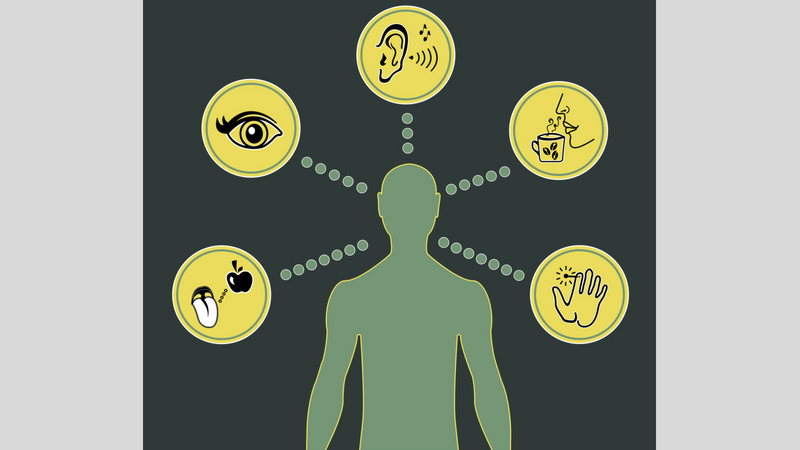
When we hit a crisis, it’s awful. Our ability to respond normally is lost to us. Thankfully, we have options to self-soothe ourselves.