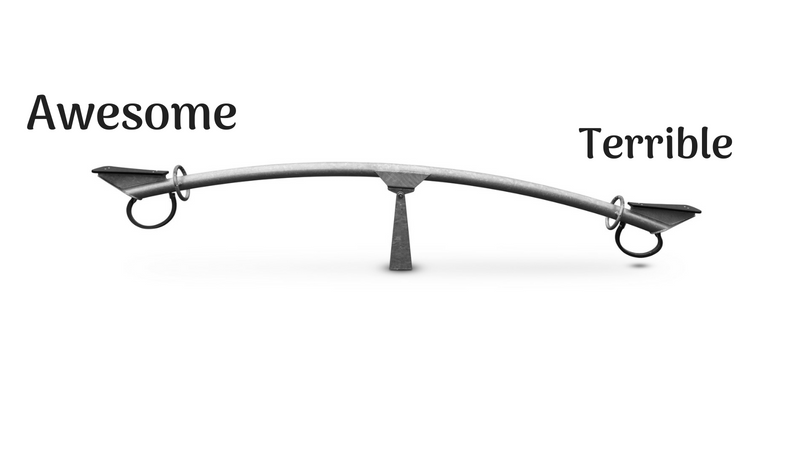
Simple Tricks for Managing Impulse Control
Impulse control can feel like an overwhelming challenge to tackle. When we step back, we see there are some simple steps we can take to manage it.

Impulse control can feel like an overwhelming challenge to tackle. When we step back, we see there are some simple steps we can take to manage it.

It can take time and careful examination, but identifying our hidden triggers is an important step on our road to mental health.

Meditation. It’s one of those words that brings up instant reactions for most people. For many, it brings with it a sense of spacey-sounding music and chanting. For others, there is an association with religion — particularly Taoist and “Eastern” philosophies. In reality, meditation is simply the practice of being still.

We all have an “automatic tape” in our heads that provide default responses to situations. Learn why the automatic tape exists and how to rewrite it.
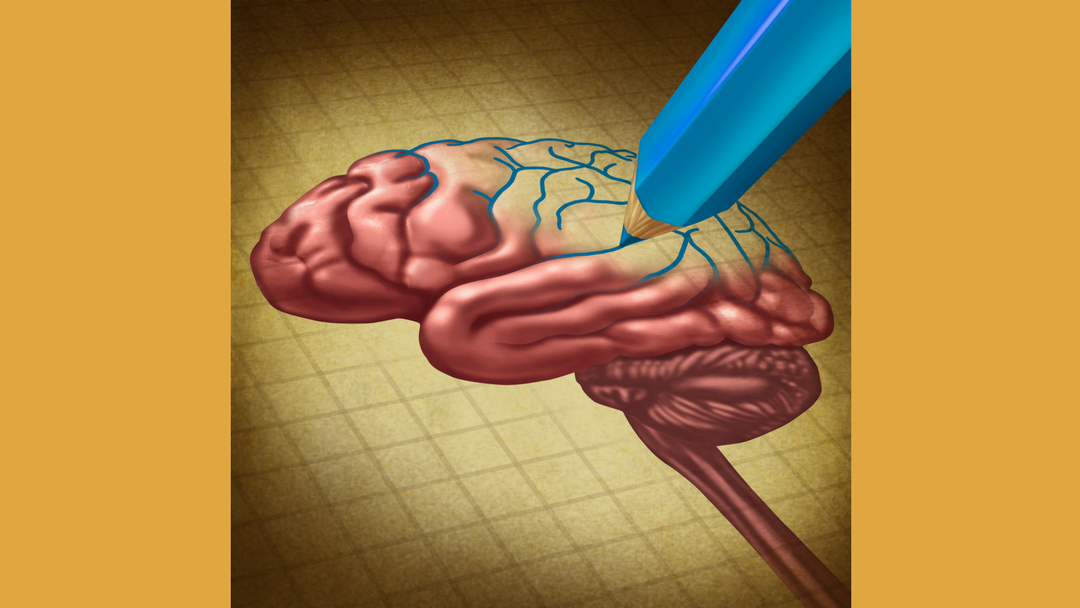
The automatic tapes in our heads often contain Thinking Distortions. Changing them requires patience, effort, and the exercise we discuss here.

When we think about changing our minds and how we think, we often think of the perfectionism or fears we live with, and focus on how to get rid of them. The apostle Paul challenges us to think differently, to think of changing our minds as part of the process of putting on our “new self.” One practical way to do this is challenging our Thinking Distortions.