Tips for Sharing Your Diagnosis
At some point, we all have to make the decision: To share or not share our diagnosis? Here’s how I approached it, and the lessons I learned are invaluable.

At some point, we all have to make the decision: To share or not share our diagnosis? Here’s how I approached it, and the lessons I learned are invaluable.

Sharing our diagnosis is never easy. Alicia Rust shares her experiences with her bipolar diagnosis and sharing the elephant in the room.
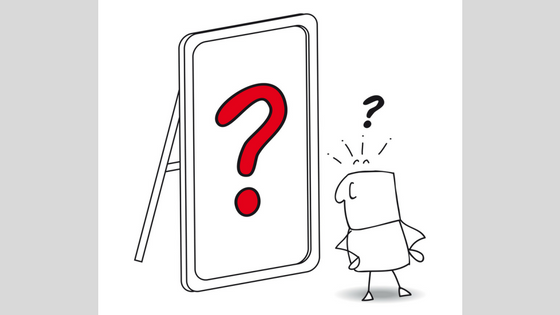
You are not your diagnosis. People living with cancer say, “I have cancer,” not “I am cancer.” Your illness is simply that: an illness. It may influence your life, and you may have to learn to manage your symptoms, but it doesn’t define you.

When we decide we want help by getting a mental illness diagnosis, it can be confusing to figure out where to start. Here are some simple steps to follow.

“Did you know that ‘you’re so sensitive’ and ‘you’re so intense’ are phrases commonly associated with people who have bipolar?”

As I’ve learned to compensate for the negatives of bipolar disorder, I’ve discovered something incredible: My bipolar disorder is a gift.

Too often, we look at our history and think it tells us that there is no path forward for us. That’s not true. Your past does not define your future.