It’s fascinating how often we think about our disorder as something that we caused. The idea of “normal” is probably one of the most toxic stigmas out there.When we stop and think about it, we know it doesn’t exist. In reality, we all deal with something, whether it’s a mental illness or a serious health issue.
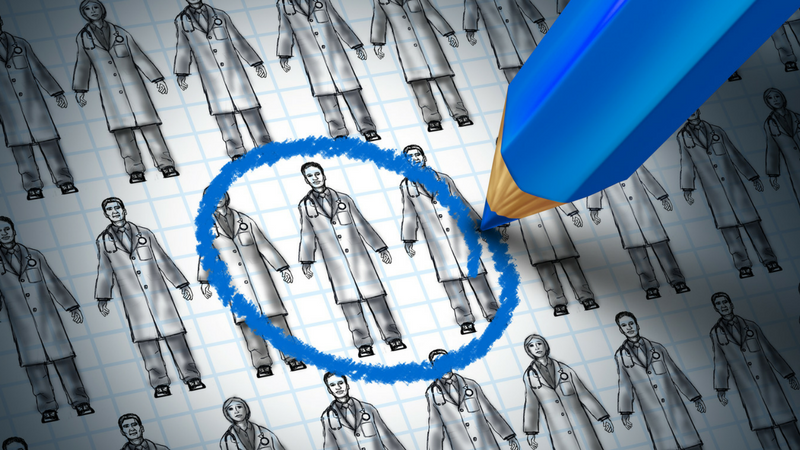
When we decide we want help by getting a mental illness diagnosis, it can be confusing to figure out where to start. Here are some simple steps to follow.
Even when we know the importance of putting together a good self-care plan, it can feel overwhelming to do. Four pillars? Each pillar has multiple pieces? The heart races and the breathing gets shorter. Let’s slow it down and tackle this process – together.

“Before we can determine what else is going on, we need to address your depression.” The blood drained out of my face. Depression? Of all the outcomes I expected from this appointment, a diagnosis of “depression” wasn’t even on the list. It’s just not how I thought of myself. Maybe at other times of my life, but not now.”

I’m still surprised at how dramatically the work I’ve done would change my depression experiences. I never expected to say: This is my best depression ever.

Understanding the causes of depression and which factors exist in our lives puts us in a position to manage what we have going on.

Too often, we think of accepting help as a sign of weakness. In reality, knowing when and how to accept help from our network is a sign of strength.