Relationships: Do I Stay or Do I Go?
As we rethink our approaches to life, relationships are one area that naturally come up for examination: Do we stay or do we go?

As we rethink our approaches to life, relationships are one area that naturally come up for examination: Do we stay or do we go?

It can take time and careful examination, but identifying our hidden triggers is an important step on our road to mental health.
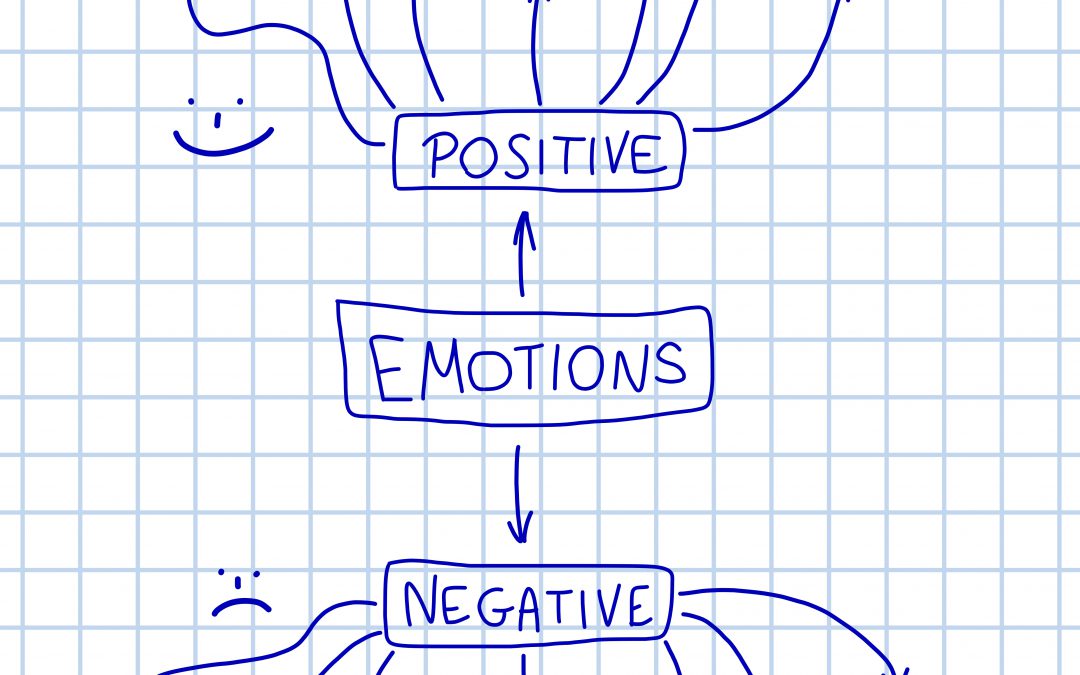
We tend to look at our emotions as “good” or “bad.” In reality, our emotions tell us important information about ourselves.

Sharing our diagnosis is never easy. Alicia Rust shares her experiences with her bipolar diagnosis and sharing the elephant in the room.

When our helpfulness crosses the line into people-pleasing, we create friction in our lives. Remembering that every “yes” is connected to a “no” can help.

One thing I’ve learned is that your baby step may be my long jump. Sometimes, even baby steps are too big. That’s why I advocate for micro-steps.

The recovery process for a mental illness often means that we are starting our lives from scratch again. It can be frustrating – and incredibly rewarding.

There are several excuses we give ourselves to explain why we don’t ask for the help we need. None of them are accurate, though we believe they are.
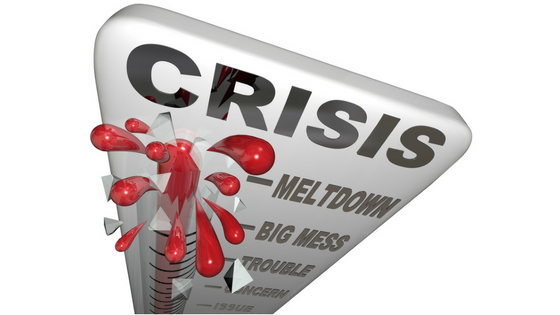
Emotional crises can happen anywhere and under even seemingly simple situations. Learning to manage a crisis scenario is critical.

While medication, good diet, and consistent exercise are important in treatment, there is another component that is equally important: Talk therapy.

When we think about changing our minds and how we think, we often think of the perfectionism or fears we live with, and focus on how to get rid of them. The apostle Paul challenges us to think differently, to think of changing our minds as part of the process of putting on our “new self.” One practical way to do this is challenging our Thinking Distortions.
Even when we know the importance of putting together a good self-care plan, it can feel overwhelming to do. Four pillars? Each pillar has multiple pieces? The heart races and the breathing gets shorter. Let’s slow it down and tackle this process – together.

While treatment plans come in all shapes and sizes, there are four pillars that form the foundation of every self-care plan. Creating a self-care plan that addresses our physical, mental, spiritual, and relational needs is a key step in our recovery process. No two plans look the same, nor could they.

“Before we can determine what else is going on, we need to address your depression.” The blood drained out of my face. Depression? Of all the outcomes I expected from this appointment, a diagnosis of “depression” wasn’t even on the list. It’s just not how I thought of myself. Maybe at other times of my life, but not now.”

Sympathy, empathy, compassion. Simple ideas with complex meanings, teasing out the differences between them can be a challenge.