Simple Tricks for Managing Impulse Control
Impulse control can feel like an overwhelming challenge to tackle. When we step back, we see there are some simple steps we can take to manage it.
Impulse control can feel like an overwhelming challenge to tackle. When we step back, we see there are some simple steps we can take to manage it.
Too often, we take these best practices as gospel-truth and get frustrated when we don’t see the results we expected. So what goes wrong?
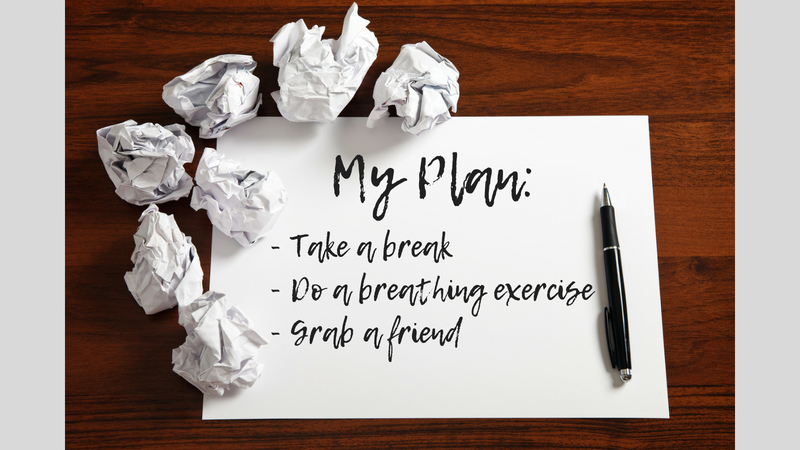
The point of the Cope Ahead Plan is to remove us from the position of victim and put us into a place of strength. We empower ourselves to take safe action.

When our helpfulness crosses the line into people-pleasing, we create friction in our lives. Remembering that every “yes” is connected to a “no” can help.

One thing I’ve learned is that your baby step may be my long jump. Sometimes, even baby steps are too big. That’s why I advocate for micro-steps.
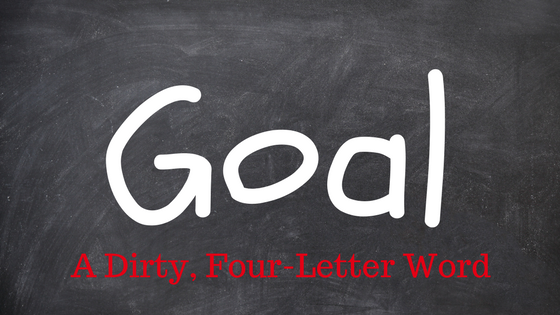
This is the time of year that every personal development writer starts using a dirty word: Goal. This year, I’m rebelling. I’m not setting any goals.

There are several excuses we give ourselves to explain why we don’t ask for the help we need. None of them are accurate, though we believe they are.
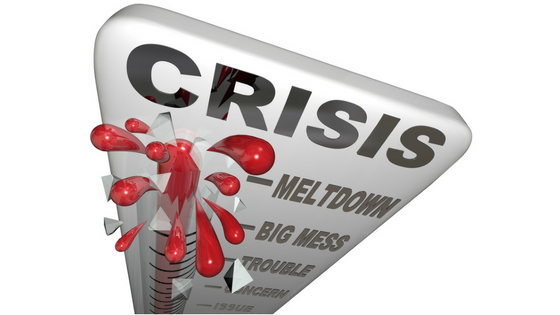
Emotional crises can happen anywhere and under even seemingly simple situations. Learning to manage a crisis scenario is critical.

Our illnesses often contribute to issues around trust, intimacy, problem resolution, and how we communicate. Even so, we can have healthy relationships.

Controlling situations takes away a level of worry and anxiety I’ve often experienced. Then I learned something: Control issues aren’t about control.

Belonging and participating in community is so important to our mental health. When we are in community, we have a sense oCommunity gives us a sense of belonging and also teaches us how to give and receive love and care. Locating and joining one is important for our recovery.f belonging and importance. Our very presence and participation grants the same to others. In the giving, sharing, and receiving, we create something larger than ourselves.
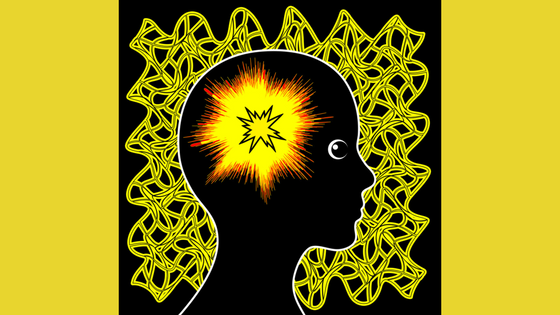
Triggers are events (usually small) that sends us back in time to relive a traumatic event. They apply to all types of trauma and vary in their intensity.
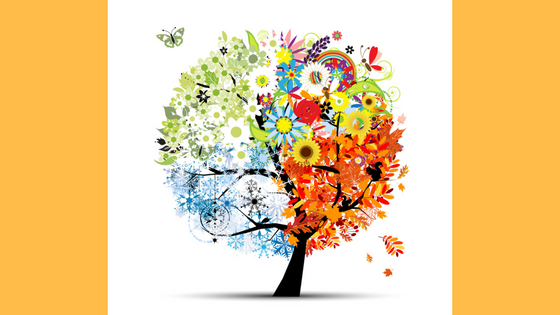
Many of our mood changes are cyclical. By tracking our moods, we can learn the identifying factors of a cycle change and take steps to manage them.
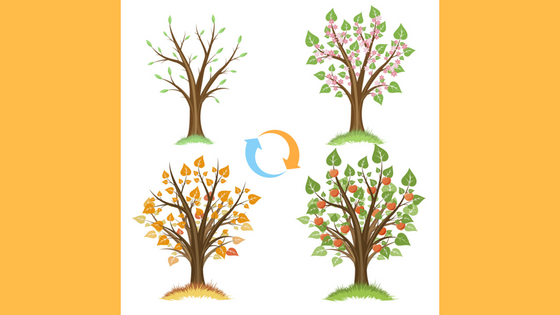
We can learn to manage our cycles and triggers and influence their impact upon our mental health. Doing so helps us get to a place of peace.

One piece of standard advice from mental health professionals to those on the road to recovery is to start giving. Sure, I’ve had a few moments when I’ve been glad I volunteered, but I’ve also felt resentful of the imposition on my time. Resentment and a giving heart do not go hand-in-hand. This time was different.