How I Changed My Relationship with Alcohol
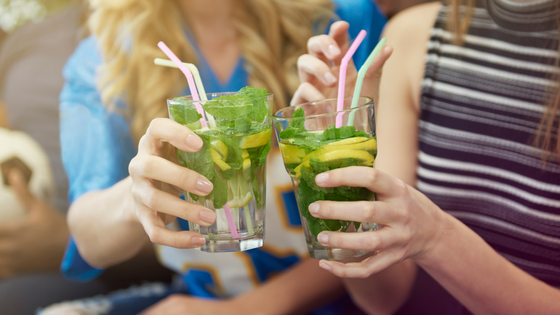
I’m not an alcoholic. I’ve never attended meetings, no DUIs, nothing matches what you might expect. Yet, my relationship with alcohol was a problem.

I’m not an alcoholic. I’ve never attended meetings, no DUIs, nothing matches what you might expect. Yet, my relationship with alcohol was a problem.

When we suffer a loss, we go through a grieving process. You may be surprised to learn the true stages of grief and how we experience them.
When we are numb to our emotions, we lose control of our environment and feel disconnected from those around us. Getting back in touch with our emotions helps us accelerate our return to mental health. Mindfulness is the key to uncovering and rediscovering our emotions.
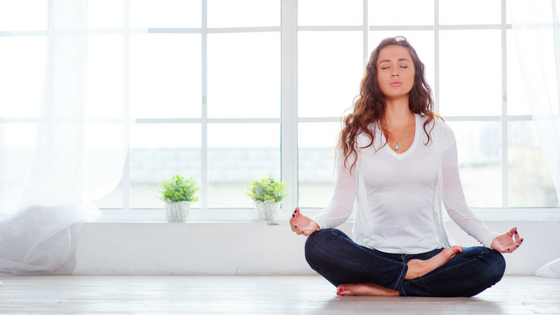
Meditation. It’s one of those words that brings up instant reactions for most people. For many, it brings with it a sense of spacey-sounding music and chanting. For others, there is an association with religion — particularly Taoist and “Eastern” philosophies. In reality, meditation is simply the practice of being still.

We hear a lot about coping strategies, and it’s not always clear what the term means. Eating better? Exercise? How are “coping strategies” different from “daily self-care?” Do we use them differently? All good questions. Let’s dive in, shall we?

Positive coping strategies help us handle the bumps and bruises life sends us. For some of us, using positive strategies doesn’t come naturally. Maybe we’ve tried before, with mixed results. We may even be afraid to change the way we respond to situations, because it could have impacts that we are not prepared to handle.

Routines—we all have them. Some of these routines are intentional – such as the bedtime routine – and others are ones we fall into. Routines are important for all of us; they create predictability and provide comfort. As we look at establishing healthy routines, we’ll provide a list of five steps to help us identify and tweak existing routines, and to build new ones.
R&R. Vacation. Time off. PTO. Whatever you call it, in our society, taking time to rehabilitate ourselves from the day-to-day grind is desperately desired and often neglected. Too often, we only think of “rest” as what we do on vacation, or the weekend. What if we were to invite rest and joy into our daily lives? What impact would that make?
Even when we know the importance of putting together a good self-care plan, it can feel overwhelming to do. Four pillars? Each pillar has multiple pieces? The heart races and the breathing gets shorter. Let’s slow it down and tackle this process – together.

While treatment plans come in all shapes and sizes, there are four pillars that form the foundation of every self-care plan. Creating a self-care plan that addresses our physical, mental, spiritual, and relational needs is a key step in our recovery process. No two plans look the same, nor could they.

Saying no or denying a request often causes anxiety and feels scary. Yet, being clear on what we can and can’t do is key to strong relationships.


The holidays can be a lot of fun and they can be very stressful. I’ve compiled a list of tips for handling social anxiety at holiday parties.
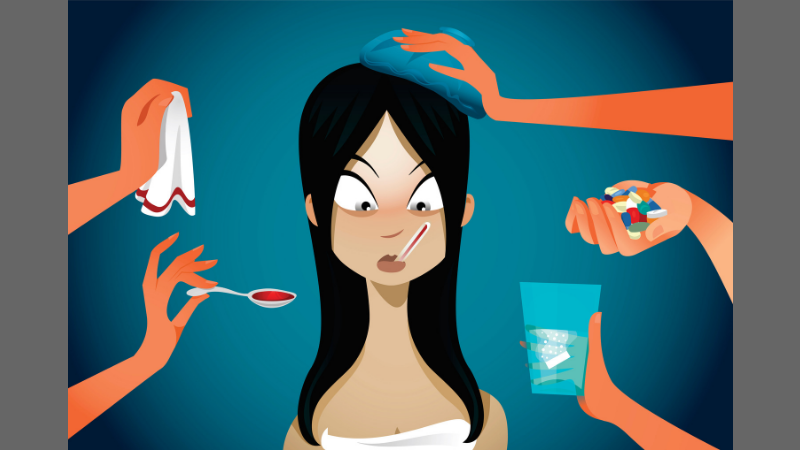
We all have down cycles, so why don’t we plan for them? Future care is about simple steps we can take when we are well to make our next down cycle easier.