I Chased Small Wins and It’s Giving Me Freedom
When I started focusing on small wins instead of pursuing the big, grand picture, I discovered the most success I’ve ever had.
When I started focusing on small wins instead of pursuing the big, grand picture, I discovered the most success I’ve ever had.
Too often, we take these best practices as gospel-truth and get frustrated when we don’t see the results we expected. So what goes wrong?
Living with a mental illness, we live with more intense emotions. Learning to manage our emotions healthily is a vital part of the process.
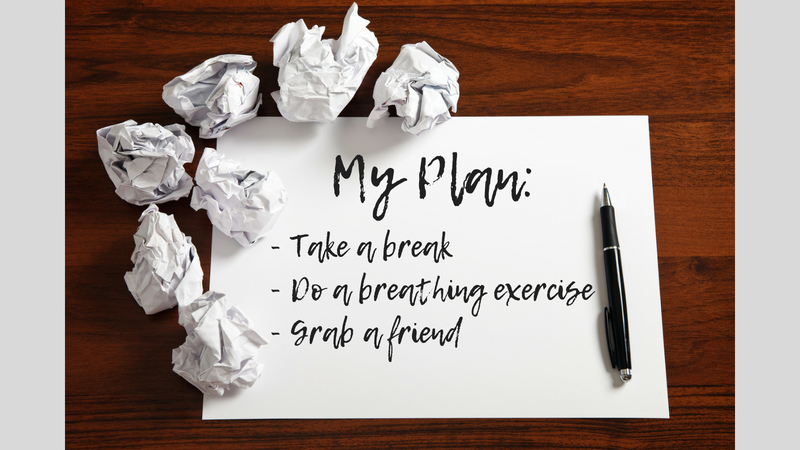
The point of the Cope Ahead Plan is to remove us from the position of victim and put us into a place of strength. We empower ourselves to take safe action.
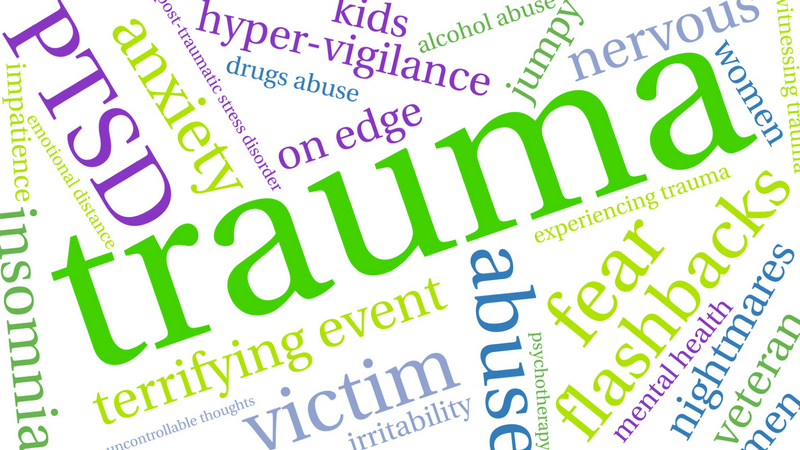
James Prescott shares his story of encountering triggers and shares what he’s learned about identifying and managing them.

Figuring out how we can safely extend forgiveness and grace while maintaining boundaries can be a challenge in every relationship.

One thing I’ve learned is that your baby step may be my long jump. Sometimes, even baby steps are too big. That’s why I advocate for micro-steps.
There are several excuses we give ourselves to explain why we don’t ask for the help we need. None of them are accurate, though we believe they are.
Everyone hits a crisis point, a point at which they look around at their lives and wonder how they got to that point. Life is chaos, and chaos destabilizes.

“Shoulds” are boundary-crossers. The real problem is when we adopt these external “shoulds” for ourselves. Casting them off can change our lives.
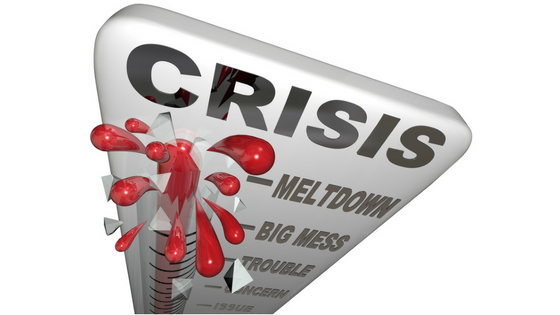
Emotional crises can happen anywhere and under even seemingly simple situations. Learning to manage a crisis scenario is critical.

Our illnesses often contribute to issues around trust, intimacy, problem resolution, and how we communicate. Even so, we can have healthy relationships.
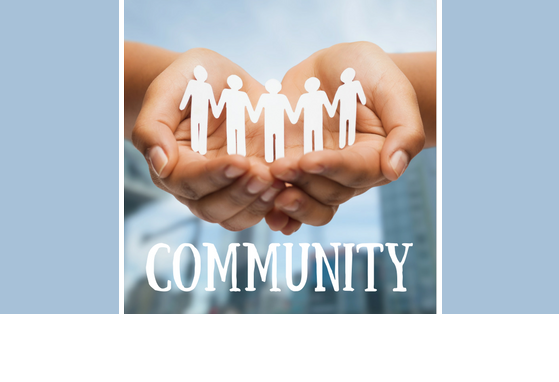
Belonging and participating in community is so important to our mental health. When we are in community, we have a sense oCommunity gives us a sense of belonging and also teaches us how to give and receive love and care. Locating and joining one is important for our recovery.f belonging and importance. Our very presence and participation grants the same to others. In the giving, sharing, and receiving, we create something larger than ourselves.
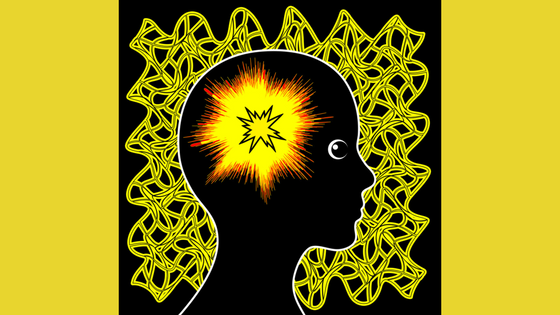
Triggers are events (usually small) that sends us back in time to relive a traumatic event. They apply to all types of trauma and vary in their intensity.
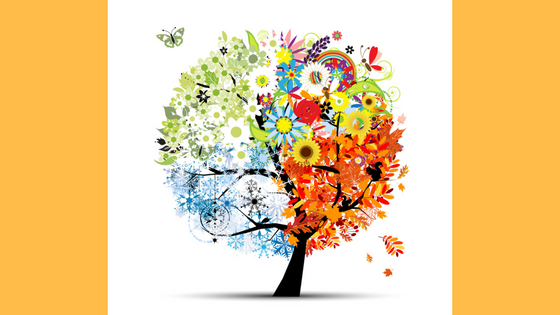
Many of our mood changes are cyclical. By tracking our moods, we can learn the identifying factors of a cycle change and take steps to manage them.