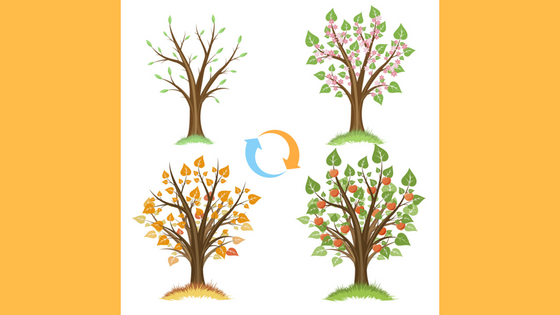
Cycles and Triggers: An Overview
We can learn to manage our cycles and triggers and influence their impact upon our mental health. Doing so helps us get to a place of peace.

We can learn to manage our cycles and triggers and influence their impact upon our mental health. Doing so helps us get to a place of peace.

What we see as sufferers is not always what you see as our support network. You have an opportunity to help us significantly in our recovery journey.

When we suffer a loss, we go through a grieving process. You may be surprised to learn the true stages of grief and how we experience them.
When we are numb to our emotions, we lose control of our environment and feel disconnected from those around us. Getting back in touch with our emotions helps us accelerate our return to mental health. Mindfulness is the key to uncovering and rediscovering our emotions.
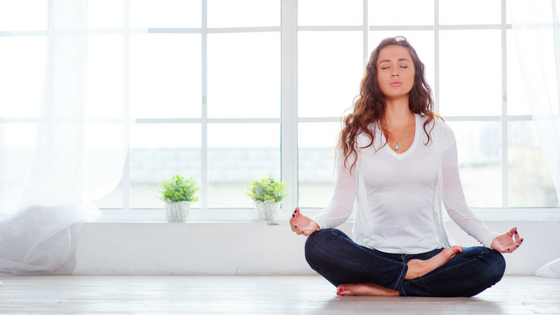
Meditation. It’s one of those words that brings up instant reactions for most people. For many, it brings with it a sense of spacey-sounding music and chanting. For others, there is an association with religion — particularly Taoist and “Eastern” philosophies. In reality, meditation is simply the practice of being still.

We hear a lot about coping strategies, and it’s not always clear what the term means. Eating better? Exercise? How are “coping strategies” different from “daily self-care?” Do we use them differently? All good questions. Let’s dive in, shall we?

Positive coping strategies help us handle the bumps and bruises life sends us. For some of us, using positive strategies doesn’t come naturally. Maybe we’ve tried before, with mixed results. We may even be afraid to change the way we respond to situations, because it could have impacts that we are not prepared to handle.

It’s almost a given that those of us living with mental illness have and use negative coping skills. Often, we know exactly what they are, too. I’ve sat in more than one group reading off a list of negative skills and with quiet nods of agreement all around me. Where they enthusiastically check off items on a list of positive skills we can try, the negative list is often left blank.
The color of shame.
The reality is negative coping skills exist for a reason. Somewhere we’ve learned them, for some reason we’ve developed them, in some way they benefit us. Understanding what these skills are, how we likely developed them, and what they do for us is important work if we want to learn how to live a better way. A healthier way. A less destructive way.

Routines—we all have them. Some of these routines are intentional – such as the bedtime routine – and others are ones we fall into. Routines are important for all of us; they create predictability and provide comfort. As we look at establishing healthy routines, we’ll provide a list of five steps to help us identify and tweak existing routines, and to build new ones.

Saying no or denying a request often causes anxiety and feels scary. Yet, being clear on what we can and can’t do is key to strong relationships.

The holidays can be a lot of fun and they can be very stressful. I’ve compiled a list of tips for handling social anxiety at holiday parties.
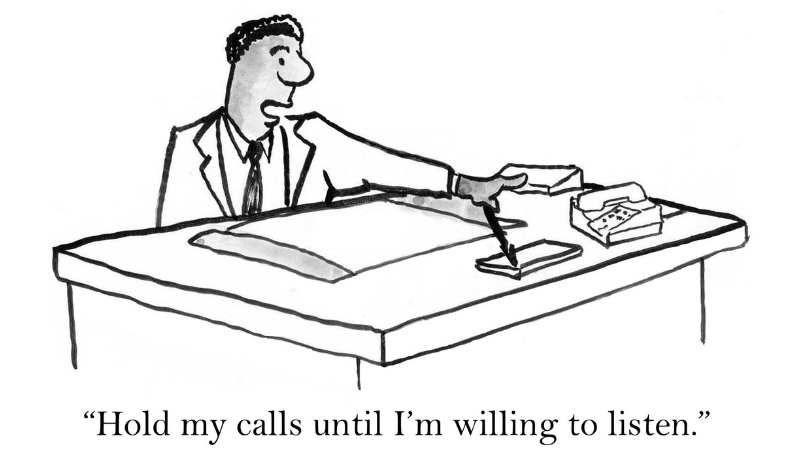
Many of us learn willfulness as a defense to not being heard. Changing from a posture of willfulness to willingness leads us to more fulfilling lives.

When we are stuck in our depression or anxiety, change seems impossible. Yet, we are empowered to effect a change. Here’s how I chose to redesign my life.
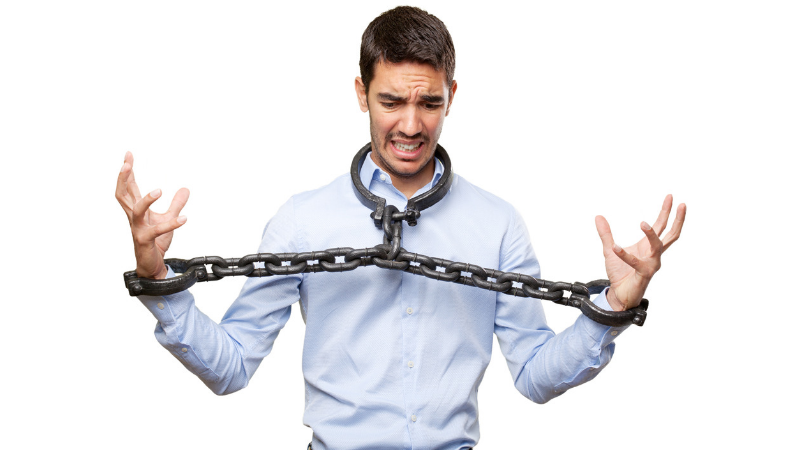
Every relationship hits a point where change is necessary. Deciding how to make the relationship change and how to communicate our needs is vital.

In our relationships, sometimes we have to use extreme techniques to get the behavior change we want. It’s a lesson I learned from my child.