A Guide to Exposure Therapy
When our fears and phobias limit our participation, it may be time to overcome them. Exposure therapy is a great tool for conquering our fears.

When our fears and phobias limit our participation, it may be time to overcome them. Exposure therapy is a great tool for conquering our fears.

Understanding how we define ourselves helps us understand some of our limiting thoughts and challenges. Refocusing our identity helps us move forward.
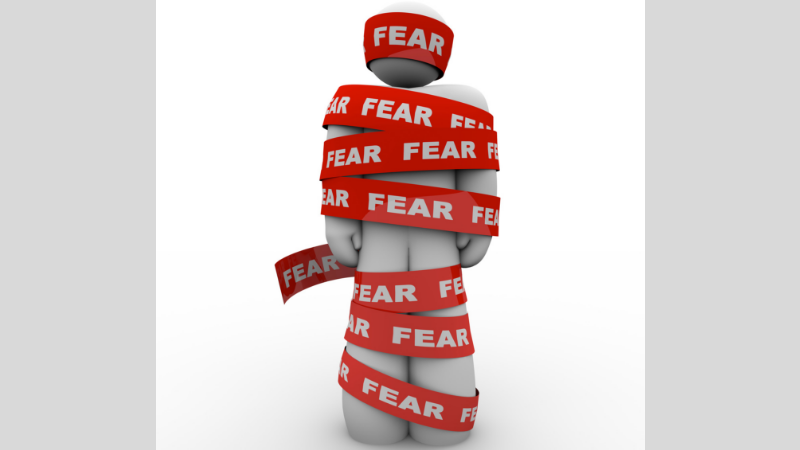
Phobias and fears can be crippling and keep us from living the lives we want and deserve. Overcoming phobias is hard, but possible.

It is frustrating when you aren’t being heard in a relationship. Thankfully, we have options on how to handle this situation.

Setting healthy relationship boundaries can be scary and intimidating. Yet, they are a crucial component of healthy relationships.

Taking time for ourselves may feel selfish, but planning pleasant activities is a vital part of our self-care plan. All you need is five minutes!

When we set goals, we think of setting SMART goals. Writing down our goals is the next step. Creating affirmations is the final step in achieving our goals.

When the inner critic who lives in our head speaks up, it can feel impossible to silence it. Here are some solid tips for shutting it down.

Experts tell us that social media impacts our mental health negatively, but I have a different experience. Here’s what I do to make social media support me.
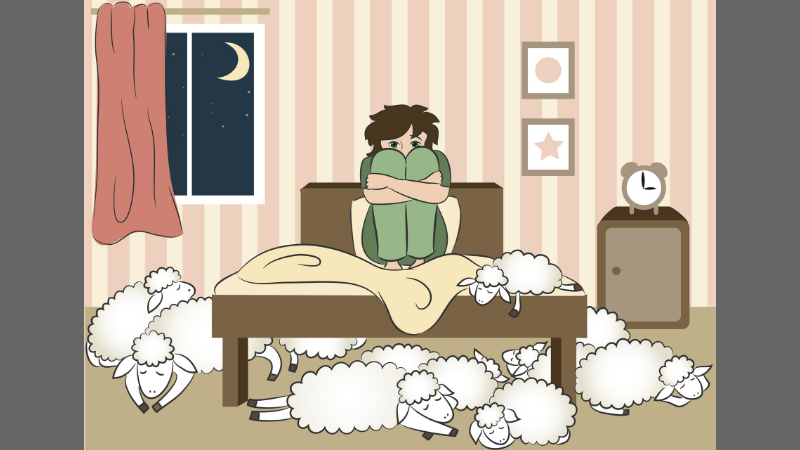
Getting quality sleep is vital to our well being and especially for our mental health. Sleep hygiene plays a large role in getting quality sleep.
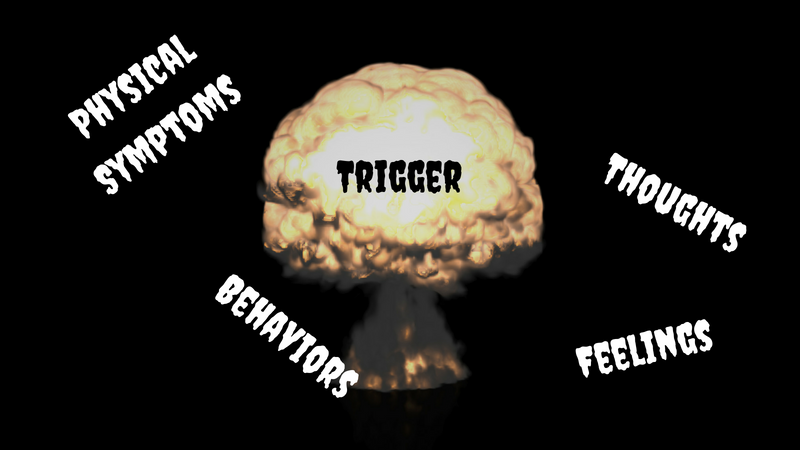
Most of us think of depression as a simple experience, but what I learned in my class is the Depression Cycle is more complicated than that.

I married unexpectedly well. One of the reasons our relationship works so well is that I learned a valuable lesson from my parents: Love is a verb, not a noun.
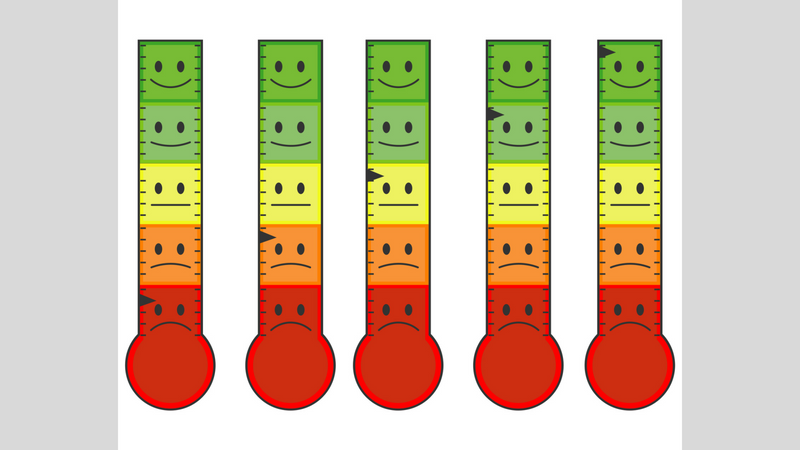
Mood trackers help us see our progress and track our symptoms. Even better, they can clue us in to cycle changes. How are you using mood trackers?
While taking emotional health classes, one of the phrases I would hear time and again was “Does the story fit the facts?” The reality is that we rarely see situations objectively, whether it’s due to viewpoint, confusion, or past experiences coloring our current situation.

This is what self-validating is genuinely about: Acknowledging that the feelings we have are real and that they belong in the situation.